

Meet the Phreatic team
Borehole drilling, water treatment, solar, pools and irrigation under one roof — and why that combination matters in Kenya.
Every part of an RO plant does one job, and a weak link anywhere shows up in the permeate. A component-by-component walk through what a reverse osmosis plant is actually made of.
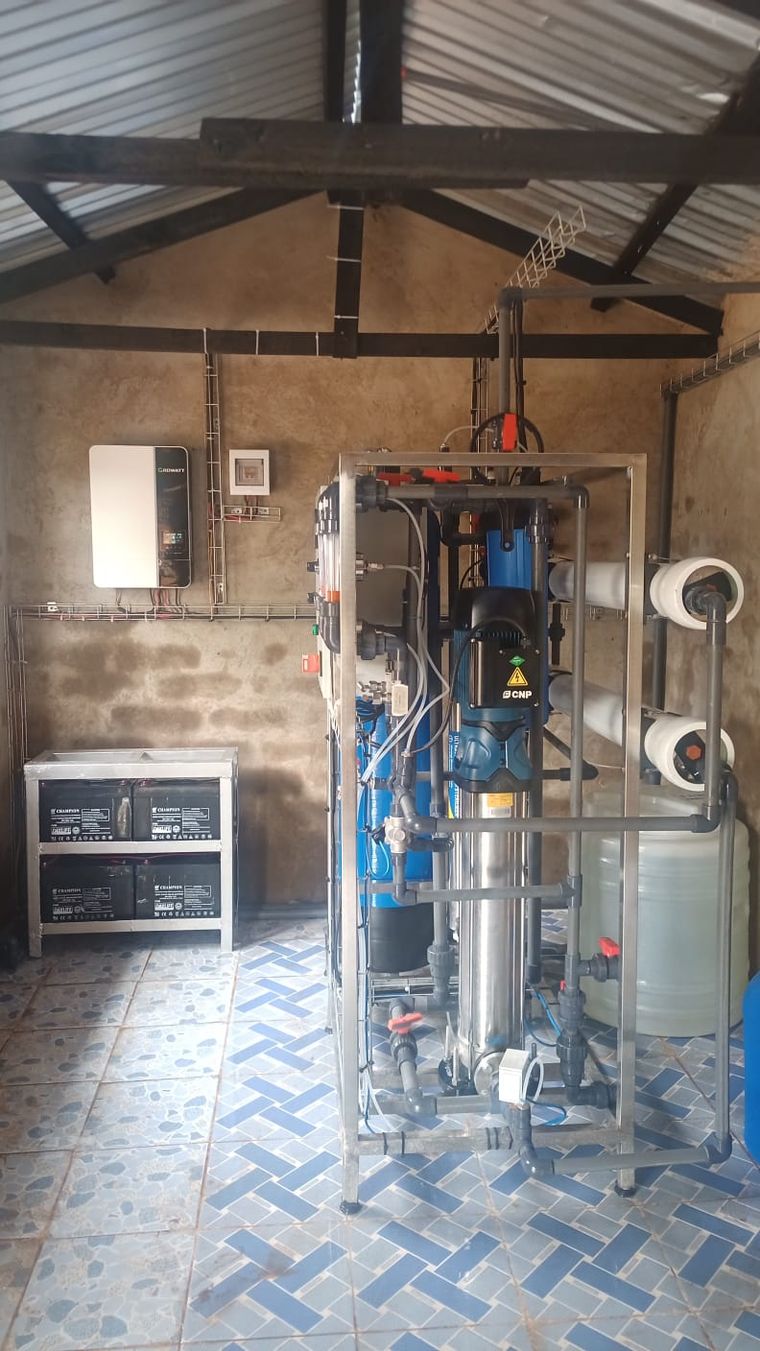
The feed pump serves as the heart of an RO system, playing a crucial role in pressurising the feed water. This pressurisation is necessary to force the water through the RO membrane, facilitating the separation of contaminants from the water. The selection of an appropriate feed pump is critical, as it determines the flow rate and pressure levels within the system and directly affects efficiency and performance. Factors such as water source characteristics and system design should be considered when choosing the right feed pump.
Pre-treatment of water is essential to protect the RO membrane and enhance the overall efficiency of the plant. The multimedia filter consists of multiple layers of media — including sand, gravel and anthracite — designed to remove suspended solids, sediment and larger particles. By filtering out these contaminants, it prevents clogging and fouling of the RO membrane, prolonging its lifespan and ensuring consistent performance. Routine maintenance and replacement of media are necessary to maintain its effectiveness.
Scaling, caused by the precipitation of mineral salts, is a common issue in reverse osmosis plants, particularly in areas with hard water. The antiscalant dosing system mitigates scaling and extends the operational life of the membrane by introducing chemicals that inhibit the formation of scale on the membrane surface. Proper dosage and monitoring are essential to prevent reduced permeate production and increased energy consumption. Regular testing of water quality parameters and adjustment of dosing levels are necessary for optimal performance.
While the RO membrane is highly effective at removing dissolved solids, it may not adequately address certain types of particulate matter, including bacteria and viruses. Microfiltration units serve as an additional barrier, ensuring the production of microbiologically safe drinking water. These units typically consist of fine filters with pore sizes ranging from a few microns to sub-micron levels. Regular cleaning and maintenance are essential to prevent biofouling.
The system pump is integral to the functionality of a reverse osmosis plant. It pressurises the feed water and pushes it through the RO membranes. This pressure is essential for the separation of contaminants, ensuring only purified water passes through the membrane pores while impurities are retained. Selecting the right system pump is crucial to maintaining optimal pressure levels and achieving efficient filtration.
Pressure vessels accommodate the RO membranes and provide the environment in which filtration occurs. They are designed to withstand high pressures and contain multiple membrane elements. The number required depends on factors such as water flow rate and feed water quality. Proper maintenance, including regular cleaning and inspection, is essential to the longevity and performance of the system.
The RO membranes are the indispensable component of the plant, responsible for separating dissolved solids and contaminants from the feed water. These semi-permeable membranes allow water molecules to pass while blocking larger molecules such as salts, minerals and microorganisms. The quality and efficiency of the membranes determine the quality of the water the plant produces.
Keep reading
Borehole drilling, water treatment, solar, pools and irrigation under one roof — and why that combination matters in Kenya.
Send us the details on WhatsApp and we will advise on the requirements and estimated cost — or call the office directly.